White House Ghosts: Presidents and Their Speechwriters by Robert Schlesinger
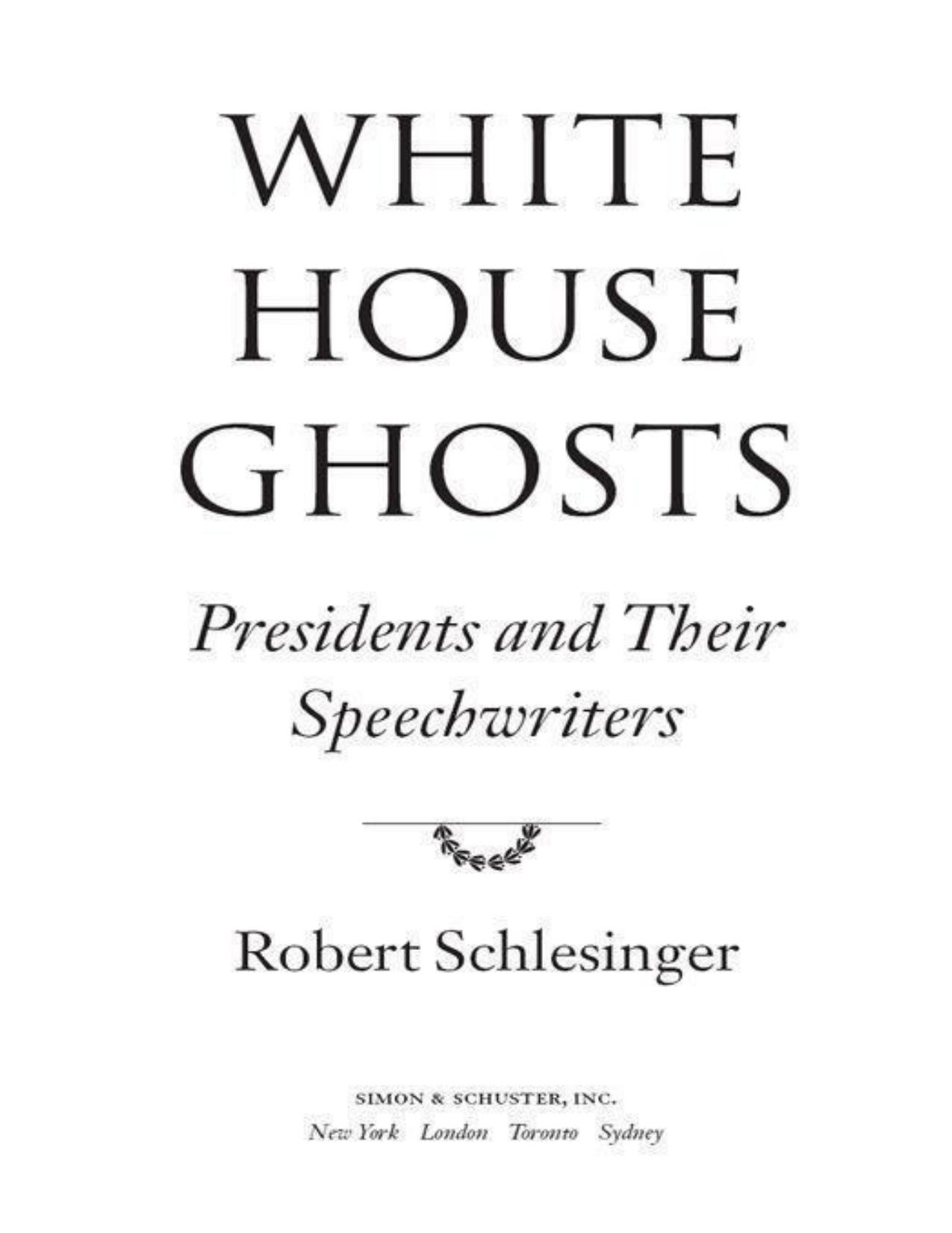
Author:Robert Schlesinger
Format: mobi, pdf
ISBN: 9780743291705
Publisher: Simon & Schuster
Published: 2009-11-06T21:00:00+00:00
As Carter entered the fall election against Ronald Reagan, the speech-writers typically got little direction. “All the political dinners and all the road shows we did, we had to come up with them [from] nothing,” recalled Chris Matthews, who had joined the speechwriting staff in the late fall of 1979.
A Philadelphia native and former Peace Corps volunteer, Matthews had worked on the Hill, and for consumer advocate Ralph Nader, and had made an unsuccessful primary challenge against a Democratic member of Congress in 1974. He had worked on government reorganization, including civil service reform, on the White House staff, and had helped out on some previous speechwriting, including the 1979 State of the Union address. “Chris is no Sorensen, but he is a fast, solid writer and a hard worker,” Hertzberg wrote in October, pushing to hire Matthews. “He is politically very savvy, he has a firm grasp of the Carter program and record, and he is very good at working with people.”
The speechwriters had sat down with Caddell a couple of times to talk about the campaign’s general themes. They would send someone to the campaign’s eight o’clock morning meeting at the K Street headquarters, but mostly they winged it. As late as the start of October, they were not getting the White House’s “Daily Political Report.” “We write the words the President speaks,” Hertzberg wrote to Jordan. “It makes no sense at all for us to have to do without information that would help us do our job better.”
The opinion polls stayed close into the first days of November. The final New York Times/CBS Poll had Reagan winning 44 to 43, with 8 percent going to independent John Anderson, while the final Gallup Poll had Reagan ahead 46 to 43, with 7 percent to Anderson. But on November 4, Reagan won a crushing victory, tallying more than 50 percent of the vote to Carter’s 41 percent.
Work on a farewell address began in November. For the final speech, Hertzberg and Stewart bypassed the regular clearance process: They did not circulate the speech to anyone else or send it through the bureaucracy for approval. “There was no longer anything to fight over,” Hertzberg recalled. “You could sit in the building and feel the power draining out.” They worked directly with Carter.
On January 14, 1981, Carter spoke for the last time to the nation, about the atomization of society, the dangers of splitting into a country of special interest groups. He went on to discuss the dangers of nuclear war, the need to protect the environment, and the importance of human rights. It was, Stewart recalled, the only time that Carter accepted metaphor and vivid language from his writers:
Nuclear weapons are an expression of one side of our human character. But there’s another side. The same rocket technology that delivers nuclear warheads has also taken us peacefully into space. From that perspective, we see our Earth as it really is—a small and fragile and beautiful blue globe, the only home we have.
Download
White House Ghosts: Presidents and Their Speechwriters by Robert Schlesinger.pdf
This site does not store any files on its server. We only index and link to content provided by other sites. Please contact the content providers to delete copyright contents if any and email us, we'll remove relevant links or contents immediately.
| Anthropology | Archaeology |
| Philosophy | Politics & Government |
| Social Sciences | Sociology |
| Women's Studies |
The Secret History by Donna Tartt(19294)
The Social Justice Warrior Handbook by Lisa De Pasquale(12224)
Thirteen Reasons Why by Jay Asher(8995)
This Is How You Lose Her by Junot Diaz(6955)
Weapons of Math Destruction by Cathy O'Neil(6362)
Zero to One by Peter Thiel(5864)
Beartown by Fredrik Backman(5839)
The Myth of the Strong Leader by Archie Brown(5552)
The Fire Next Time by James Baldwin(5503)
How Democracies Die by Steven Levitsky & Daniel Ziblatt(5271)
Promise Me, Dad by Joe Biden(5189)
Stone's Rules by Roger Stone(5130)
A Higher Loyalty: Truth, Lies, and Leadership by James Comey(5017)
100 Deadly Skills by Clint Emerson(4972)
Rise and Kill First by Ronen Bergman(4836)
Secrecy World by Jake Bernstein(4798)
The David Icke Guide to the Global Conspiracy (and how to end it) by David Icke(4771)
The Farm by Tom Rob Smith(4549)
The Doomsday Machine by Daniel Ellsberg(4542)
